Study Session : Learning International Taxation Through Cases of Major Global Companies
 staff_akia-tax.com
As part of our monthly in-house training program, in July we invited Professor Arihito Yamada of the College of Law at Kanto Gakuin University to deliver a lecture entitled, “International Taxation: A Comparison of the Tax Strategies of Starbucks, Amazon, and Apple.”
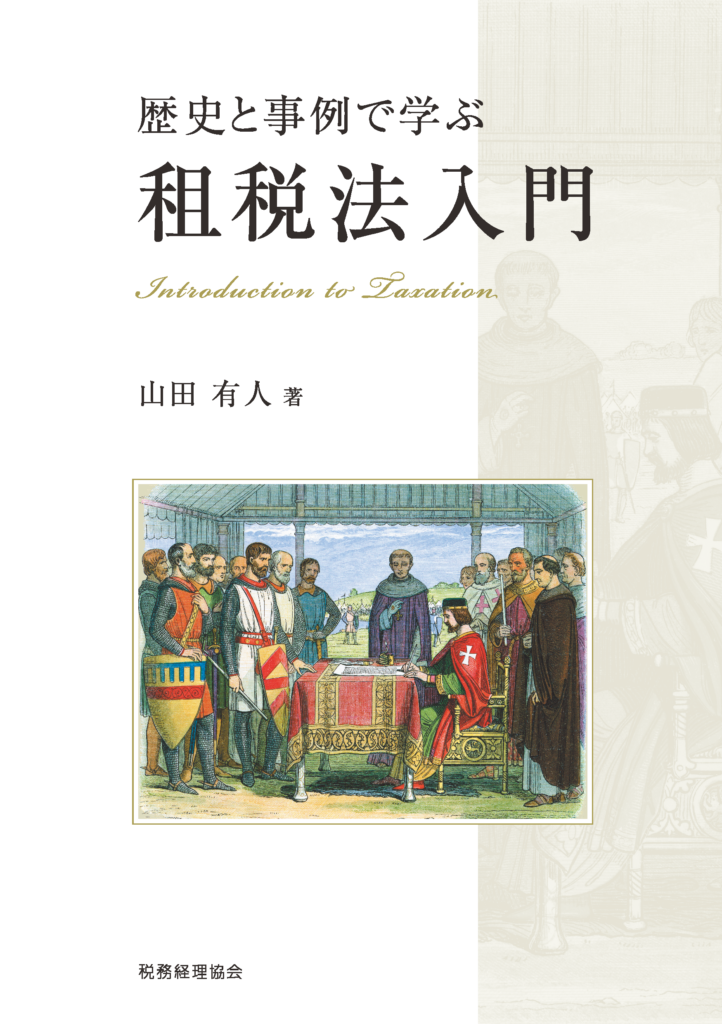
At the beginning of the lecture, Professor Yamada discussed the Magna Carta, which is also depicted on the cover of his book「歴史と事例で学ぶ 租税法入門 (Zeimu Keiri Kyokai)」.He explained that the history of restricting the Crown's power to impose arbitrary taxes laid the foundation for the United Kingdom's strong commitment to taxpayers' rights and tax fairness.
This historical background helped us better understand why the tax-cutting policies of the Truss administration triggered strong public opposition and turmoil in the financial markets, as well as why protest campaigns were previously organized in response to Starbucks’ approach to paying taxes in the United Kingdom.
Using cases involving global companies, Professor Yamada explained transfer pricing rules, permanent establishments (PE), the BEPS Project, and the global minimum tax, connecting the background of these systems with the actual behavior of companies. It was particularly interesting to learn how large, well-known global companies consider the tax systems and tax treaties of various countries when developing their business models and organizational structures.
In the latter part of the lecture, we examined the business models of the entertainment industry, using companies such as The Walt Disney Company in the United States as examples. We learned how intangible assets—including characters, brands, and copyrights—are utilized as key sources of corporate value.
The lecture provided us with a valuable opportunity to understand the importance of viewing taxation as an integral part of corporate strategy and business operations.